A city can grow quickly without us noticing how much our daily environment has changed. A new road appears, another office district develops, empty land becomes a neighborhood, and gradually the places that once felt open begin to feel much busier.
Hyderabad has experienced this kind of transformation for years. Growth has brought jobs, infrastructure, businesses and better connectivity to many parts of the city. At the same time, it has made something else increasingly valuable: space.
Not simply space measured in square feet, but breathing space. Trees outside the window. Somewhere comfortable to walk. Natural light entering the home. A little distance from traffic and noise. These things are easy to overlook until they become difficult to find.
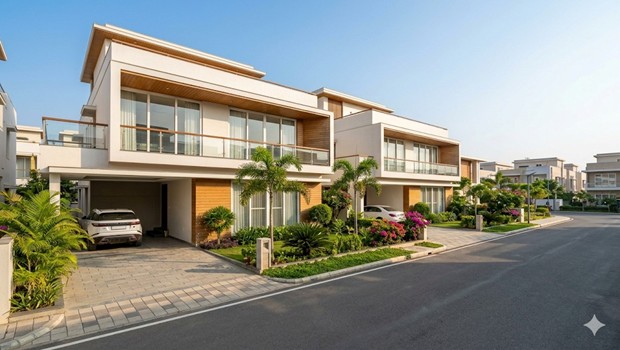
It is one reason residential conversations are changing. Someone looking at villas for sale in hyderabad today may still care about bedrooms, location and amenities, but there is often a larger question behind those requirements. What kind of everyday life will this place actually create?
That question brings sustainability, nature and luxury into the same conversation.
https://www.forestnation.in/assets/img/VillasType.jpg
Sustainability sounds complicated when it is reduced to ratings, technologies and technical terminology. In everyday life, however, it can be remarkably simple.
Consider a home with windows positioned to encourage natural ventilation. During suitable weather, fresh air can move through the rooms without relying entirely on mechanical cooling. Good daylight reduces the need to switch on lights throughout the day. Trees can provide shade around outdoor areas. Courtyards can create transitions between indoor and outdoor spaces.
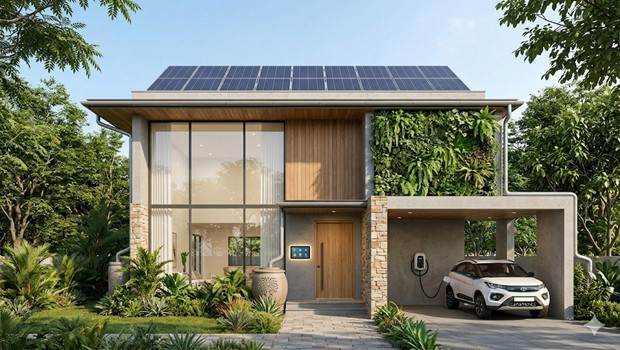
Water is another important part of the equation. Hyderabad experiences intense seasonal rainfall as well as periods when water conservation becomes particularly important. Rainwater harvesting, groundwater recharge and responsible landscape planning therefore have practical value beyond their environmental credentials.
This is where the idea behind IGBC platinum villas Hyderabad becomes more relevant. Forest Nation states that its Forest Manors are targeting IGBC Platinum certification, supported by passive design and sustainability measures. The project also describes features including rainwater harvesting, solar energy systems, natural ventilation and substantial open and green spaces.
But certification should ideally be the beginning of the conversation rather than the end of it.
A genuinely sustainable home should make sense in the climate where it is built. The materials, orientation, ventilation, vegetation and water systems should work together. More importantly, residents should experience the benefits naturally as part of their routine.
Sustainability becomes meaningful when environmental responsibility also creates a better place to live.
https://www.forestnation.in/assets/img/eco-friendly.jpg
The idea of luxury is changing in a similar way.
For a long time, luxury housing was often defined by what could be added. More marble, more decorative elements, larger entrances, more technology and longer lists of amenities.
There is nothing inherently wrong with beautiful materials or comfortable features. But modern life has made some less visible things feel equally valuable.
Quiet is one of them.
Privacy is another.
Then there is daylight, fresh air, greenery and enough room to spend time outdoors without leaving your neighborhood.
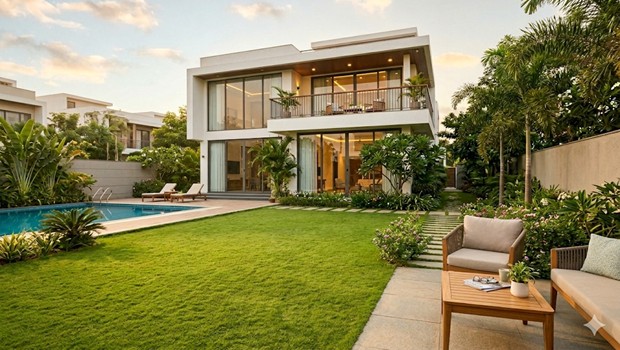
For a family considering an independent house Hyderabad can offer the freedom of having personal space, but the surroundings still influence the experience. A beautiful home next to constant noise or dense construction can feel very different from the same home surrounded by trees and thoughtfully planned open areas.
This is why landscape planning deserves more attention when discussing luxury.
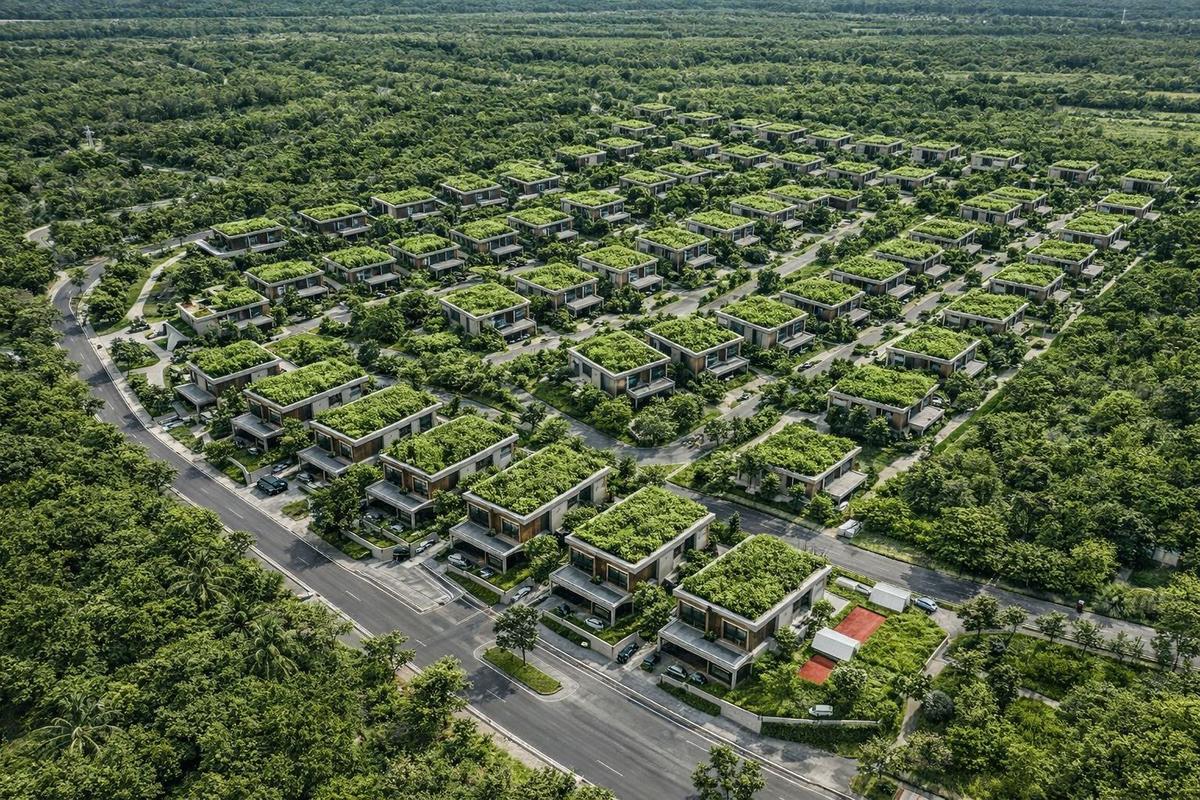
Forest Nation, for instance, describes more than 60 percent of its 40 plus acre development as open and green space. Rather than treating nature simply as landscaping around the edges of buildings, the project incorporates afforestation and nature integrated planning into the broader residential environment.
This kind of approach raises an interesting idea: perhaps luxury is not always about having more things.
Sometimes it is about having less noise.
Less congestion.
Less visual clutter.
And more room for ordinary experiences that become surprisingly rare in large cities.
https://www.forestnation.in/assets/img/Why%20Villas%20Section.jpg
There is a reason parks become crowded in growing cities.
People naturally look for green spaces.
After spending hours inside offices, cars, apartments and commercial buildings, walking somewhere surrounded by trees feels noticeably different. Children have space to move. Adults slow down. Conversations last longer. Even twenty minutes outside can change the rhythm of an evening.
The problem is that nature is often treated as somewhere we visit rather than somewhere we live.
That creates an opportunity for residential planning.
A gated community Hyderabad families consider today can be much more than a group of houses surrounded by a boundary. The spaces between those houses matter enormously. Roads, footpaths, trees, gardens, recreation areas and community spaces determine whether people actually spend time outdoors.\
Good planning creates small reasons to leave the house.
You might walk instead of taking the car for a short distance. Children might spend an evening outdoors. Neighbors might meet naturally rather than through organised events. Older residents might have comfortable places for a morning walk.
None of these experiences sounds particularly luxurious on paper. In everyday life, however, they can matter far more than an impressive entrance.
This human relationship with nature is also central to the thinking associated with Sharat Nalamothu real estate entrepreneur behind Forest Nation. The project presents his approach around the idea of combining afforestation, architecture and contemporary residential life rather than viewing development and nature as opposing forces.
It is an interesting principle because Hyderabad will inevitably need more development.
The city cannot simply stop growing in order to protect every open space. People need homes, roads, workplaces and infrastructure. The more realistic challenge is learning how to develop while keeping environmental considerations within the planning process.
That means thinking about existing ecosystems before deciding where buildings should go. It means understanding how rainwater moves across a site. It means selecting vegetation suited to local conditions and allowing trees enough space to mature. It means designing homes for Hyderabad's climate rather than depending entirely on machines to make interiors comfortable.
Most importantly, it means recognising that sustainability is connected to quality of life.
When people search for villas for sale in hyderabad, they may not begin by thinking about biodiversity, passive architecture or water management. They may simply want a comfortable place for their family.
But those environmental decisions eventually become part of that comfort.
Trees become shade. Ventilation becomes a cooler room. Rainwater harvesting becomes responsible water management. Open land becomes somewhere to walk. Lower density becomes privacy. Thoughtful landscaping becomes the view outside the bedroom window.
That is where sustainable design stops being an abstract environmental concept and becomes something personal.
Hyderabad's next generation of neighborhoods will be shaped by thousands of decisions about buildings, roads, water, vegetation and open spaces. Some developments will inevitably prioritise density. Others will explore ways of creating more room for nature.
Neither urban living nor luxury needs to disappear for sustainability to become important.
The more interesting possibility is finding ways for all three to exist together.
A modern home can provide comfort while responding intelligently to climate. A community can offer privacy while creating spaces where people naturally meet. A city can continue expanding while recognising that trees, water, soil and biodiversity are infrastructure too.
Perhaps that is where the definition of a good home is heading.
Not toward escaping urban life completely, but toward creating a version of urban living where nature does not have to be escaped to either.
https://www.forestnation.in/images/forest-nation-aerial-view-hero.jpg
Learn more about Forest Nation, directed by Sharat Nalamothu, and its approach to nature integrated living at https://forestnation.in/real-estate-hyderabad.html